The Step-by-Step Process of ADAS Calibration: What Every Driver Should Know

Advanced Driver Assistance Systems (ADAS) help make driving safer with features like lane-keeping assist, adaptive cruise control, and collision warnings. For these systems to work properly, they need to be calibrated correctly. Here’s a simple step-by-step guide to how ADAS calibration is done and why it matters.

Step 1: Initial Check

The process starts with checking the vehicle and its ADAS components for damage or errors. Technicians also confirm if calibration is needed, which is often required after repairs like windshield replacement or adjustments to sensors.

Step 2: Choosing the Right Method

There are two types of ADAS calibration: static and dynamic. Static calibration happens in a workshop using special tools like targets and alignment boards. Dynamic calibration involves driving the car under specific conditions to allow the system to adjust itself.

Step 3: Setting Up Tools

For static calibration, technicians set up equipment like calibration targets. These targets need to be placed precisely according to the vehicle’s specifications to ensure sensors like cameras or radar align correctly.

Step 4: Configuring the Software

The technician uses diagnostic tools to connect to the car’s computer. This software starts the calibration process and helps adjust the system’s sensors.

Step 5: Adjusting the Sensors

During calibration, the system adjusts cameras, radar, or other sensors to match the car’s setup. The technician monitors the process to make sure everything is working as it should.

Step 6: Testing the System

After calibration, the vehicle is tested to ensure ADAS features, like lane detection or emergency braking, are functioning properly. If there are any issues, they are fixed before the process moves on.

Step 7: Final Inspection

The last step is a final check to confirm that all components meet the manufacturer’s guidelines. The technician ensures there are no errors and that the car is ready for safe driving.

Proper ADAS calibration is crucial for the system to work correctly and keep drivers safe. By following these steps, technicians make sure your vehicle’s ADAS features are ready to help protect you on the road.

This post was written by a professional at At Home Auto Glass. At Home Auto Glass is your go-to provider for all auto glass services. We proudly serve Sarasota, Tampa, Orlando, Fort Myers, Tallahassee, Ocala, Gainesville, and Jacksonville, meeting the needs of many different types of vehicles. We specialize in windshield repair and replacement, ensuring your safety and clear visibility on the road. Our services also include back glass replacement, side window replacement, and solutions for RVs, commercial vehicles, luxury vehicles, and classic cars. No matter the type of vehicle, we deliver expert care and precision.
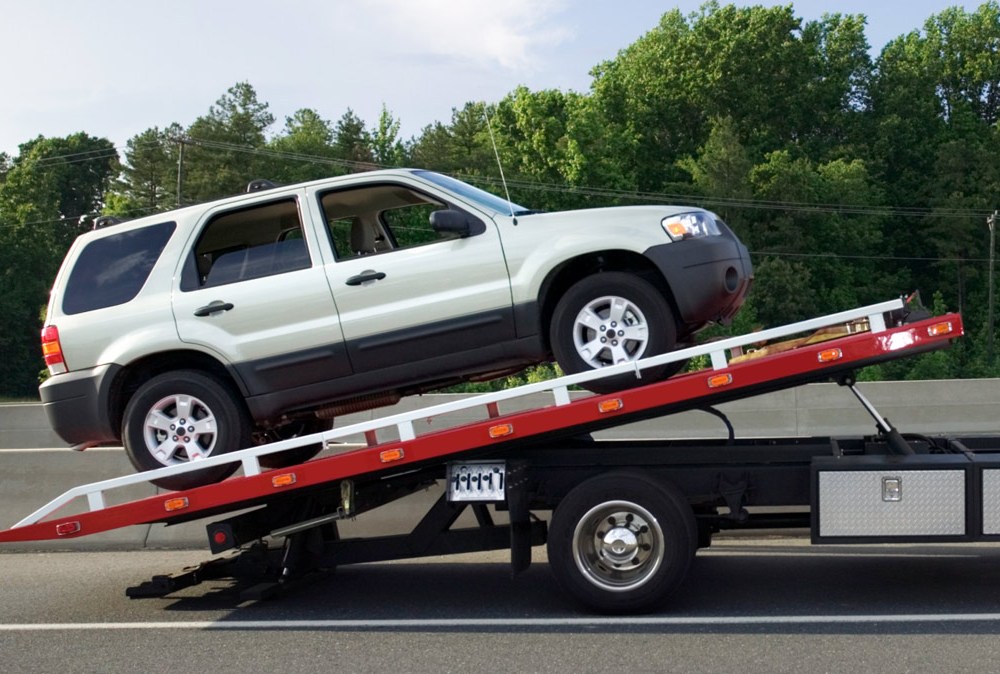

How To Tow A Vehicle In Emergency

  • Call a professional towing service if you need to tow your vehicle.
  • Flatbed equipment
  • The operator loads your vehicle on the back of a truck.
  • This is the best way to transport your vehicle.
  • Wheel lift equipment

The tow truck uses two pivoting arms that go under the front tires and lift them off Ground. The rear tires remain on the ground. This is an acceptable way to tow your vehicle.

NOTICE

Trying to lift or tow your vehicle by the bumpers will cause serious damage. The bumpers are not designed to support the vehicle’s weight. Never tow your vehicle with just a rope or chain. It is very dangerous, since ropes or chains may shift from side to side or break. Improper towing such as towing behind a motorhome or other motor vehicle can damage the Transmission. If your vehicle must be towed with the front wheels on the ground:

1. Check the ground underneath the vehicle around where the transmission housing is For a fluid leak. If you find a leak, call a professional towing service and have your vehicle inspected by a dealer.

2. Put cloth on the edge of the cover. Carefully pry with a small flat-tip screwdriver or a metal fingernail file to remove the cover. The detachable towing hook mounts on The anchor in the front bumper.

3. Take the towing hook and the wheel nut wrench out of the luggage area.

4. Screw the towing hook into the hole, and tighten it with the wheel nut wrench Securely.

5. Hook the towing device to the towing hook.

6. Start the engine.

If it is difficult to turn on the engine, put the ignition switch in ACCESSORY or in ON position

7. Manual Transmission models: Shift to Neutral.

8. Continuously Variable Transmission models: Depress the brake pedal.

9. Shift to Drive mode and hold for five seconds, then to Neutral

10. All models: Release the parking brake.

If your vehicle must be towed with the front wheels on the ground:

Continuously Variable Transmission CVT Models only:

If you cannot shift the transmission or turn on the engine, will damage the transmission. Your vehicle must be transported with the front wheels off the ground.

Models with the keyless access system have an ENGINE START/STOP button instead of an ignition switch.

NOTE:

If you cannot turn on the engine, you may experience the following while your vehicle is being towed.

Braking may become difficult since the brake system’s power assist is disabled. Steering wheel becomes heavy as the power steering system is disabled.

Turning the ignition switch to LOCK (0*1 locks the steering wheel.

With the front wheels on the ground, it is best to tow the vehicle no farther than 80 km, and keep the speed below 55 km/h. Going down a long slope heats up the brakes.

This may prevent the brakes from working properly. If your vehicle needs to be towed on an incline, call a professional towing service.

Make sure to use the properly-designed and attached towing equipment. Manual transmission models Turning the ignition switch to LOCK (0*1 locks the steering wheel.

With the front wheels on the ground, it is best to tow the vehicle no farther than 80 km, and keep the speed below 55 km/h. Going down a long slope heats up the brakes.

This may prevent the brakes from working properly. If your vehicle needs to be towed on an incline, call a professional towing service.

Make sure to use the properly-designed and attached towing equipment.

5 Simple Tips For Smooth Driving In Winter

Winter can be one of the most challenging seasons for driving. Weather extremes might include heavy snow, freezing fog, reduced visibility, slippery conditions on the road, and more. But it is also a time when many of us are still very busy – especially when preparing for Christmas and New Year.

While it is important to prepare well for driving in Winter and take all the necessary safety precautions, this does not need to be difficult or time-consuming.

With the simple but highly effective tips below, you can prepare your car to meet the challenges of Winter and enjoy a smooth season of driving.

TIP 1: Book In Advance

As the busy holiday season of Halloween, Bonfire Night, and Christmas approaches, demand for services may be higher than ever. This is also true of all things automotive.

If you urgently need a repair or service, consider booking early to avoid disappointment. Many garages are currently experiencing busy periods and may have weeks of waiting time to consider.

This is also the case for driving tests – which have experienced a major backlog since lockdown, when social distancing made taking the test difficult or even impossible.

Leaving an issue too late, such as a problem that then makes the car unsafe to drive, can be a major inconvenience. To avoid disappointment, aim to book necessary services and appointments well in advance.

TIP 2: Reduce Your Driving

Where possible, it can be helpful to reduce your driving in the Winter to only include essential journeys.

Sticking to essential journeys can be safer as well as more environmentally friendly. You will not be contributing to additional congestion on the roads, or risking dangerous icy conditions, for example.

If you use your car for work or business deliveries, consider delegating the task or outsourcing where possible. For example, more businesses than ever are switching to professional couriers to reduce their own driving.

Decreasing your driving – or at least driving in a more fuel-efficient manner – is a great way to reduce overall spending and keep your Winter budget in check too. This is especially important due to certain seasonal added costs such as Christmas shopping and increased heating bills, for example.

TIP 3: Make Any Minor Repairs

It can be tempting to skip a car service until we find we have a serious issue that needs to be addressed. But taking early action can be safer and more cost-effective in the long run.

Winter weather often exacerbates existing complications. It can make small issues into big problems in a short space of time, and leave you urgently needing a service at a very busy time of year.

You can avoid this problem by doing a realistic assessment of what is currently bothering you about your car – such as unusual sounds, struggles, or a crack in the windscreen, for example – and then booking in at a reputable garage to get everything sorted.

Shoring up minor issues is a great way to reduce the likelihood of a major issue later down the line as the weather becomes more severe.

TIP 4: Be Prepared

There is no better way to deal with an emergency or inconvenience than to be prepared for it in advance. Any change of season – and perhaps especially Winter – is a great time to take steps to prepare your car.

This can include ensuring that you have up-to-date breakdown cover or roadside rescue in the event of an emergency, as well as packing your own essentials kit. A kit might include anti-freeze, blankets, a torch, mobile phone charger, water, and any details for your breakdown cover.

It can also be worth checking any important routes in advance in case of diversions or accidents, and allowing extra time for journeys in the event of bad weather. This may be especially important for visits to family, or to Santa’s Grotto!

Plan ahead, allow extra time, and you will be prepared for any eventuality.

TIP 5: Protect Your Car

The Winter season can be punishing for a car. Damage can be caused by excess moisture, frost, rust, and more.

Take extra steps to prepare and protect your car where possible – such as investing in a car cover, using a garage, or even just parking safely – such as far from trees in windy conditions.

You could also invest in specialised Winter tyres with the safest tread depth, incorporate a regular check process in your routine to identify any problems, as well as being sure to clean your lights and windscreens of any debris.